In short: Compare vehicle barrier manufacturers in Mexico by quality, duty cycle, safety, RFID and LPR integration, warranty, spare parts, and total cost.
Choosing among vehicle barrier manufacturers and suppliers is not just a matter of comparing the price of an automatic barrier arm. Mechanism reliability, duty cycle, lane safety, compatibility with access control, spare parts availability, and technical support all affect total cost and operational continuity.
For a parking lot, condominium, shopping center, or industrial entrance in Mexico, it is worth evaluating every proposal against the same requirements. This way you compare equivalent equipment and avoid paying for unnecessary features or choosing a model that cannot handle the real conditions of the entrance.
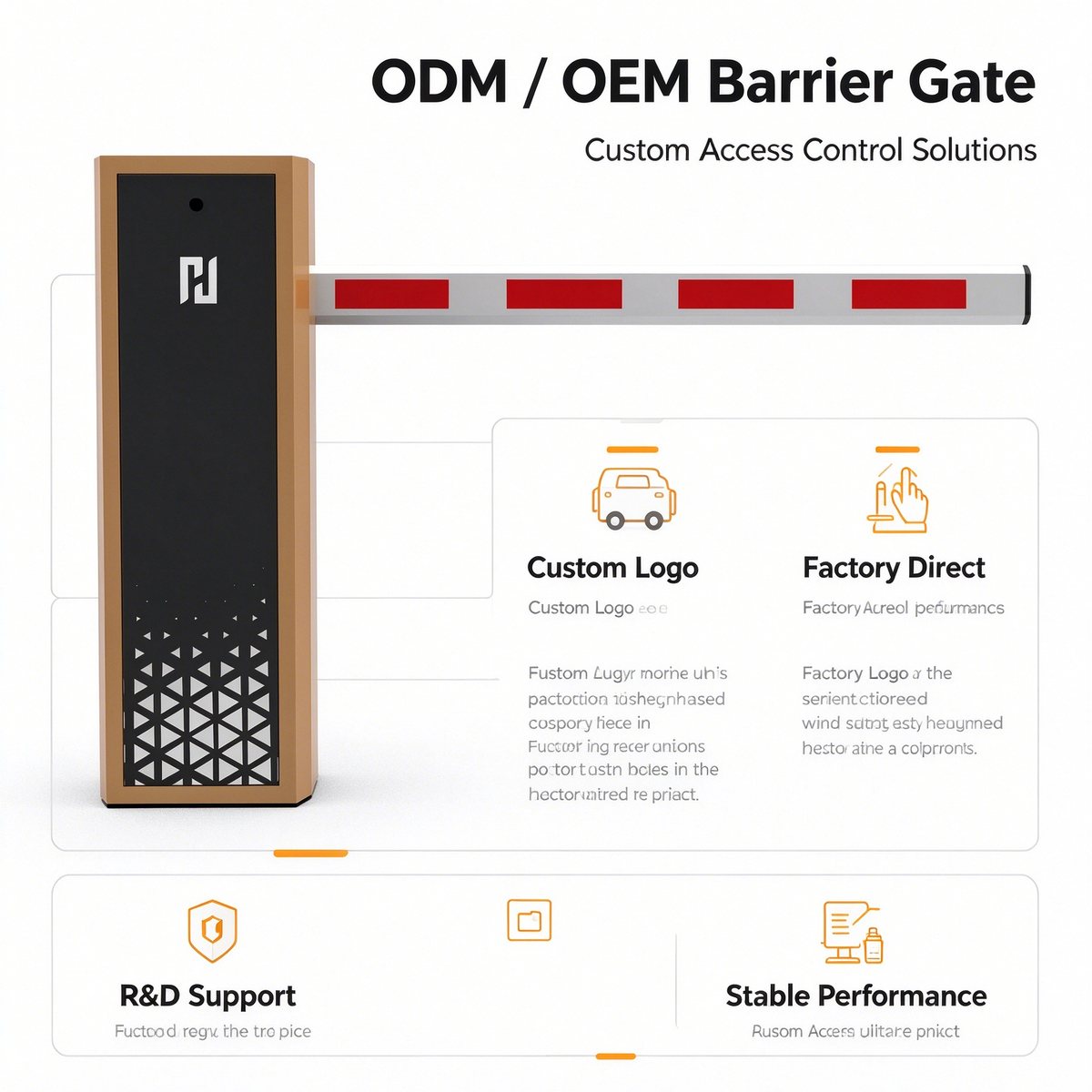
A manufacturer should be able to identify the model, explain its configuration, and provide technical documentation. An integrator can add value by combining the barrier with LPR/ANPR cameras, RFID readers, sensors, and software. A distributor can be a good option if it demonstrates traceability, spare parts inventory, and a clear after-sales process. What matters is knowing who is responsible for each component and who coordinates the complete solution.
Request verifiable information about the company, its experience with similar projects, testing processes, product documentation, and warranty terms. Do not take a claim such as "direct manufacturer" or "premium quality" as sufficient proof: ask for concrete evidence and written technical answers.
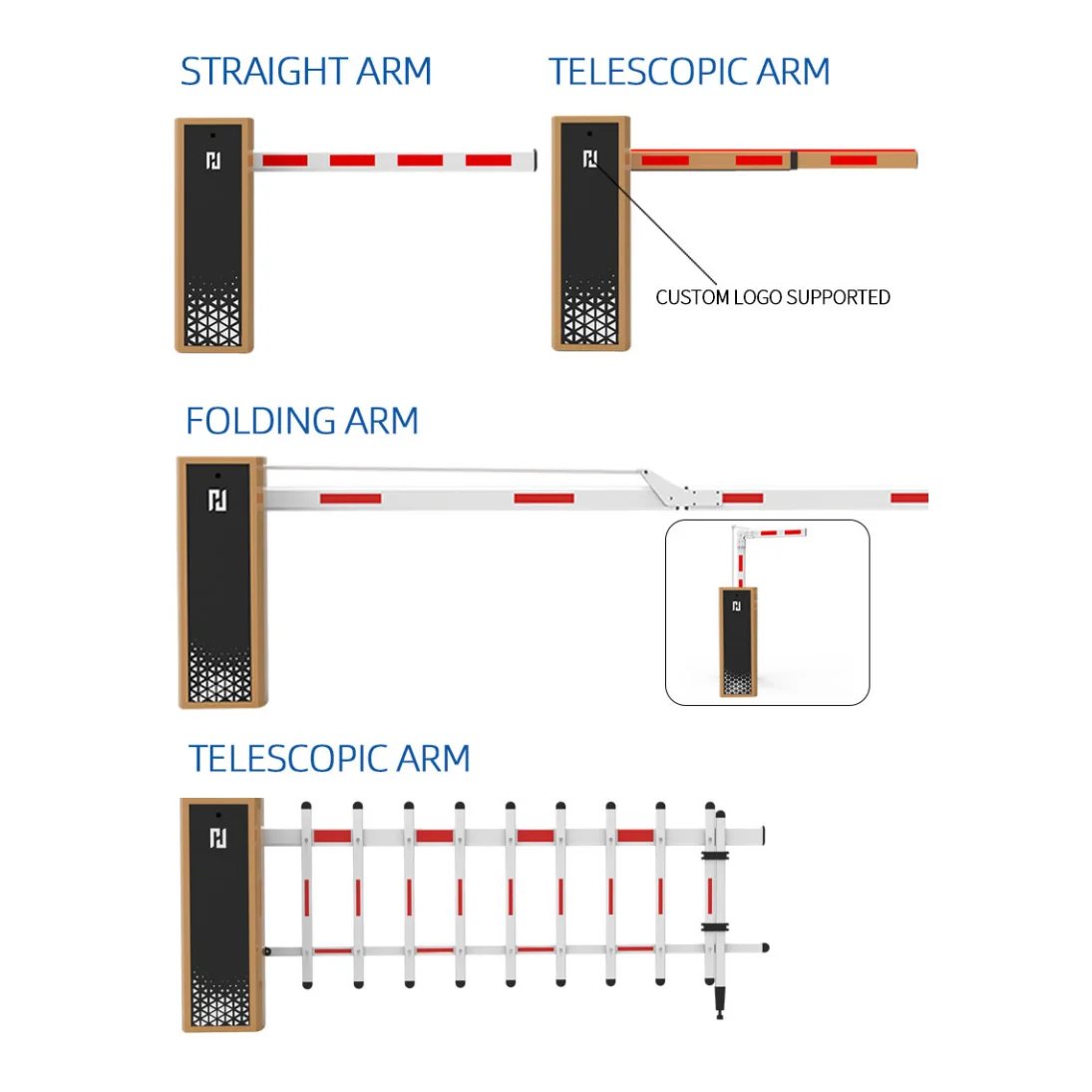
Before requesting quotes, define the lane width, arm length, clear height, space to install the housing, wind exposure, and vehicle volume per hour. A straight-arm barrier may be suitable for an open entrance; an articulated or folding arm can help when the ceiling or available height limits movement. Wide, industrial, or logistics entrances require careful review of the arm and operating conditions.
Ask each proposal to state the exact model, arm type and length range, duty cycle, opening speed, and included accessories. Do not compare a residential barrier for moderate use with equipment designed for intensive operation as if they were equivalent products.
Duty cycle indicates the barrier's capacity to withstand repeated operations under defined conditions. A condominium with moderate traffic does not have the same demands as a commercial parking lot, a manufacturing plant, or a logistics center operating all day. Ask about the recommended number of cycles, test conditions, required maintenance, and the estimated service life of the quoted model.
Opening speed is not the only performance indicator. License plate recognition, credential reading, software authorization, and the way the queue is organized also affect access time. Compare the performance of the entire system, not just the advertised time to raise the arm.
Ask for a description of compatible safety devices, such as radar sensors, vehicle detectors, inductive loops where applicable, photocells, obstacle detection, and closing logic. The selection should be based on the lane design, pedestrian circulation, and site risks; a generic accessory list does not replace a safety assessment.
Confirm what happens if a vehicle remains under the arm, communication with the access system is interrupted, or the power supply fails. Ask the proposal to explain the manual release and power backup options available for the specific model.
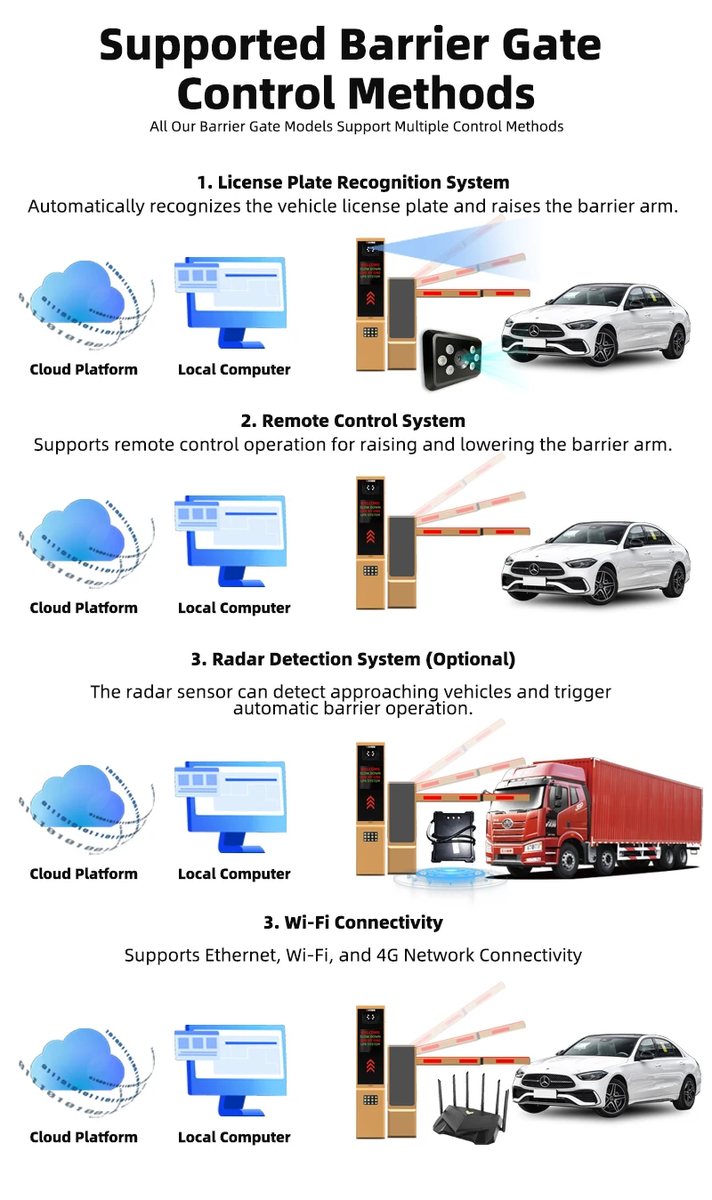
A modern vehicle barrier can work with RFID/UHF cards or tags, LPR/ANPR license plate recognition cameras, QR codes, remote controls, vehicle detectors, and parking management platforms. Before buying, confirm which interfaces the controller supports and whether the barrier can be integrated with the readers, cameras, and software your facility already uses.
If the proposal includes an integrated system, request an architecture diagram, a component list, network and power requirements, the necessary licenses, and a definition of installation responsibilities. Also confirm how authorized plates, entry and exit records, permissions, and system updates are managed.
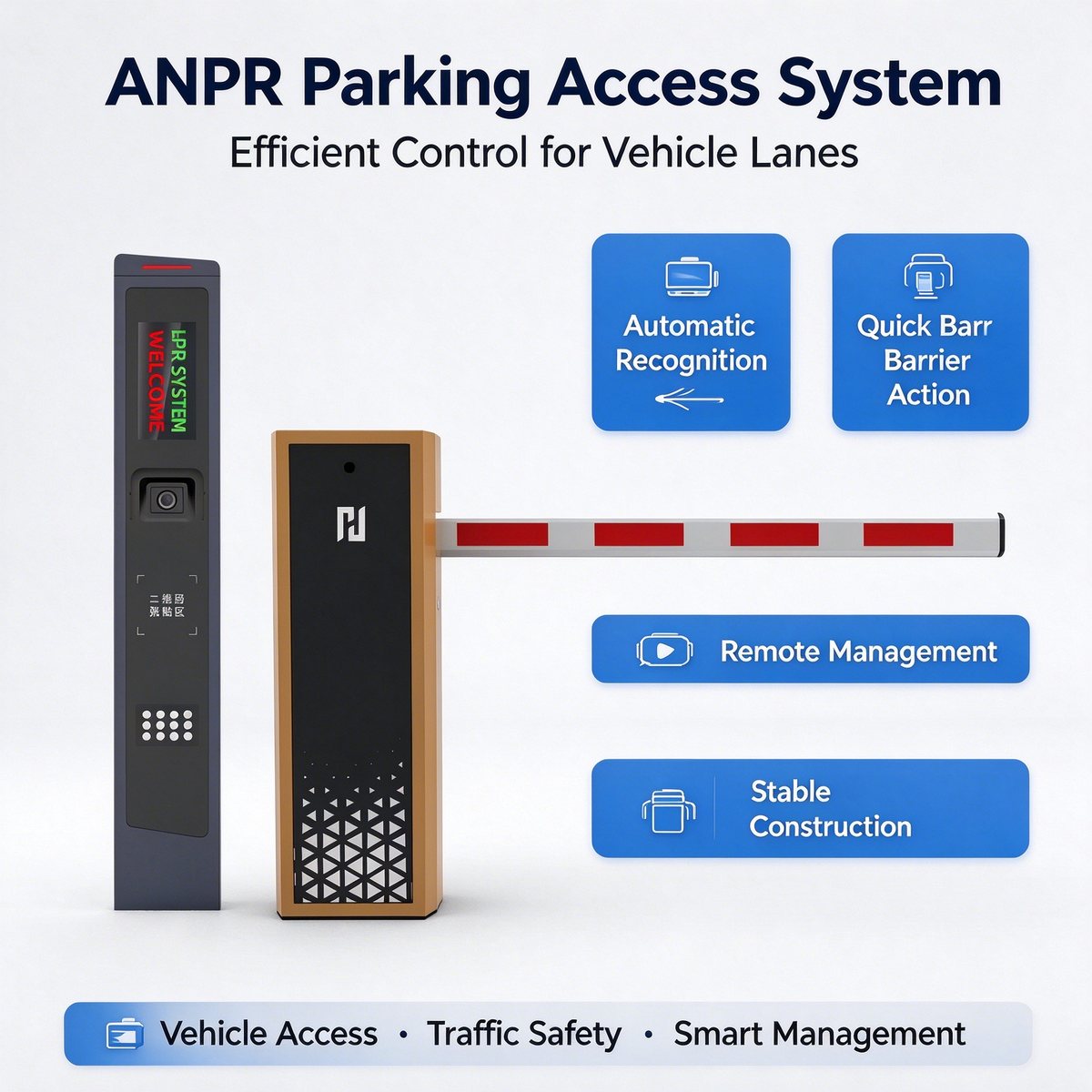
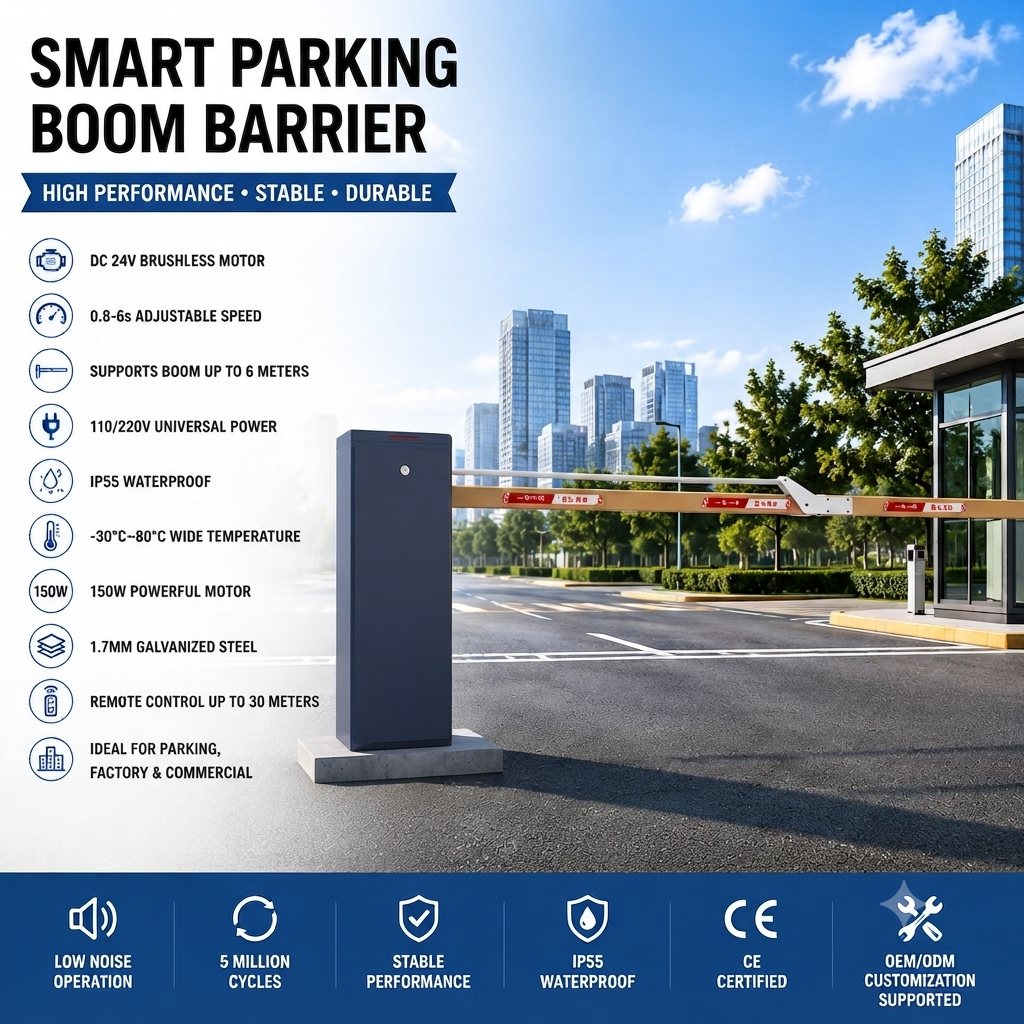
Ask for the datasheet of the exact model, the installation and maintenance manual, wiring diagrams, and documentation for applicable certifications. If a protection rating, service life, or speed is stated, verify that the figure applies to the quoted equipment and that the test conditions are specified. Specifications can vary between models from the same brand.
For outdoor installations, review housing protection, materials, finish, the stated environmental resistance, and the maintenance plan. In high-traffic applications, ask how factory testing is performed and which inspections are carried out before shipment.
The quote should specify the warranty period and scope, the components covered, exclusions, spare parts availability, and the procedure for requesting support. For a project in Mexico, ask whether assistance is provided in Spanish, whether remote commissioning is available, and what information the technical team needs to diagnose a failure.
Do not compare only the number of warranty months. Also consider response times, the availability of wear parts, the possibility of remote assistance, the cost of spare parts, and the economic impact of the entrance being out of service.
The purchase price may include the barrier and arm, but the project may also require sensors, readers, cameras, wiring, civil works, installation, software integration, training, and commissioning. Ask each supplier to break down the equipment, included services, optional accessories, taxes, and items that are not covered.
To estimate the total cost of ownership, consider periodic maintenance, spare parts, energy consumption, licenses, updates, and operational interruptions. A low-cost offer is only worthwhile if it meets the site's safety, capacity, and compatibility requirements.
Evaluate every proposal with the same matrix and give greater weight to the requirements that are critical for your operation. The following weighting is indicative; adjust it to the type of installation and do not interpret it as a certification of any supplier.
| Criterion | What to verify | Suggested weight |
|---|---|---|
| Site suitability | Lane width, arm, clear height, and wind | 15% |
| Operating capacity | Duty cycle and frequency of use | 15% |
| Safety | Sensors and operating logic | 15% |
| Integration | RFID, LPR/ANPR, software, and interfaces | 15% |
| Quality and documentation | Datasheets, manuals, testing, and applicable certificates | 10% |
| Warranty and support | Spare parts, response, and assistance | 15% |
| Total cost | Installation, maintenance, and operation | 15% |
It can be worthwhile if the manufacturer provides clear documentation, a suitable configuration, spare parts, and verifiable support. However, an integrator may be a better fit when the project requires local installation, wiring, and coordination of several systems. Compare responsibilities and service scope, not just the purchasing channel.
State the lane width, approximate arm length, clear height, vehicle volume, installation environment, authorization method, and existing systems. If possible, attach a drawing or photos of the entrance and note the peak demand hours.
Not in isolation. Queues also depend on demand, the number of lanes, identification time, payment, road design, and staff operation. Ask that any performance expectation be based on defined conditions and measurable data.
The right supplier is the one that demonstrates its vehicle barrier matches the real use of the site, meets safety requirements, integrates with access control, and has appropriate documentation, warranty, spare parts, and support. Compare equivalent quotes, request the terms in writing, and evaluate the total cost of ownership before making a decision.


