In short: Compare RFID and ANPR/LPR systems for parking lots in Mexico: how they work, costs, advantages, limitations, and integration with BAROXON vehicle barriers.
RFID and ANPR/LPR systems both automate vehicle access control, but they identify the vehicle differently. RFID uses an authorized card, tag, or transponder that communicates with a reader; ANPR (Automatic Number Plate Recognition), also called LPR (License Plate Recognition), uses a camera and software to read the license plate. In a Mexican parking lot, the best option depends on who enters, how often they visit, the level of traceability required, lighting, budget, and the existing management platform.
BAROXON México offers categories of automatic vehicle barriers, RFID barriers, ANPR/LPR systems, radar sensors, and vehicle detection components. These elements can be designed as an integrated solution, provided that compatibility between the controller, the reader or camera, the sensors, and the project software is confirmed.
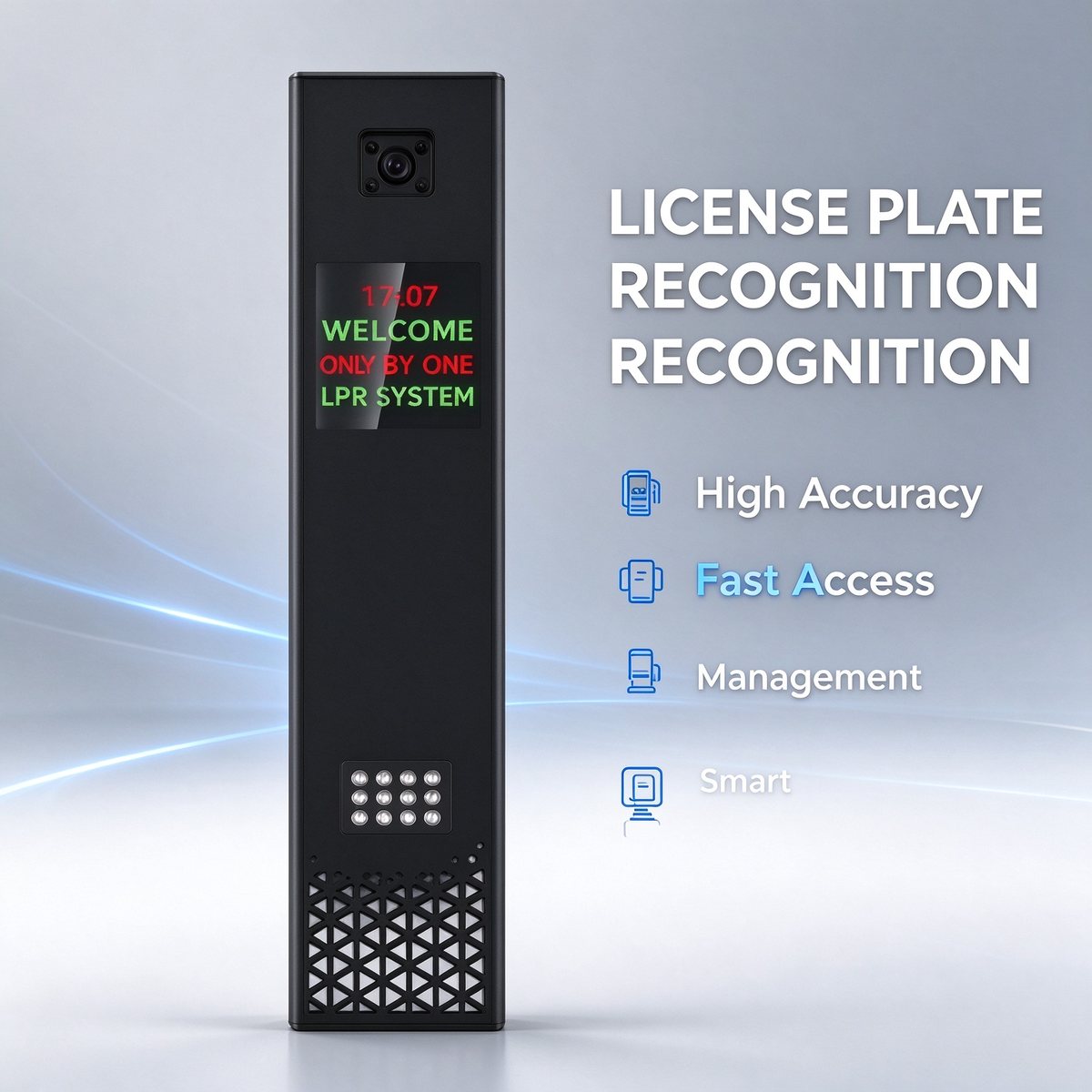
RFID is usually a good fit when users are registered and can carry a credential or tag. ANPR/LPR is attractive when you want to identify vehicles by plate and reduce reliance on physical cards. Neither is automatically better in every case: performance depends on the entrance design, configuration, installation quality, and authorization rules.
| Criterion | RFID | ANPR/LPR |
|---|---|---|
| Identification method | Card, tag, or transponder | Camera and plate reading |
| Driver action | May hold a credential close to the reader; UHF can read tags at a distance | Usually no card needed if the plate is registered |
| Ideal users | Residents, employees, fleets, and recurring users | Parking lots with plate lists, visitors, and entry/exit logging |
| Dependence on visual conditions | Low, although it depends on the technology, distance, and reader location | High: lighting, angle, dirt, glare, and plate visibility affect the read |
| User management | Issuing and revoking credentials and tag control | Adding and removing plates, allow lists, and per-vehicle rules |
| Data and auditing | Logs the credential and events according to the system | Can link the plate to date, time, and access events |
| Costs to quote | Readers, cards/tags, controllers, software, and installation | Camera, lighting if required, software/licenses, network, controller, and installation |
In an RFID solution, the user presents a compatible card or tag, or the UHF reader detects an authorized tag within its read range. The system validates the identifier against the configured rules and, if authorization is valid, sends a signal to the barrier controller to allow access. The exact logic depends on the reader, the credential type, the controller, and the software used.
RFID can work well in condominiums, employee parking lots, campuses, and fleets where it is known in advance which users should enter. For stable operation, the administrator needs a procedure to register credentials, remove permissions when someone no longer has access, and block lost cards or tags. If long-range UHF is used, the integrator must adjust the read zone so that the wrong vehicle is not authorized in nearby lanes.
An ANPR/LPR system uses a camera to capture the vehicle's plate and a recognition engine to convert the image into characters. The software compares the result with the parking lot's lists and rules. If the plate is authorized and the configured conditions are met, the system sends the opening command to the barrier. It can also log entry and exit events, depending on the software features and the integration purchased.
Plate reading should not be treated as infallible. Camera angle, mounting height, vehicle speed, headlights, shadows, rain, dust, damaged plates, and format differences can affect results. Before implementing the system, run tests with plates representative of the vehicles that actually use the site, both during the day and at night.
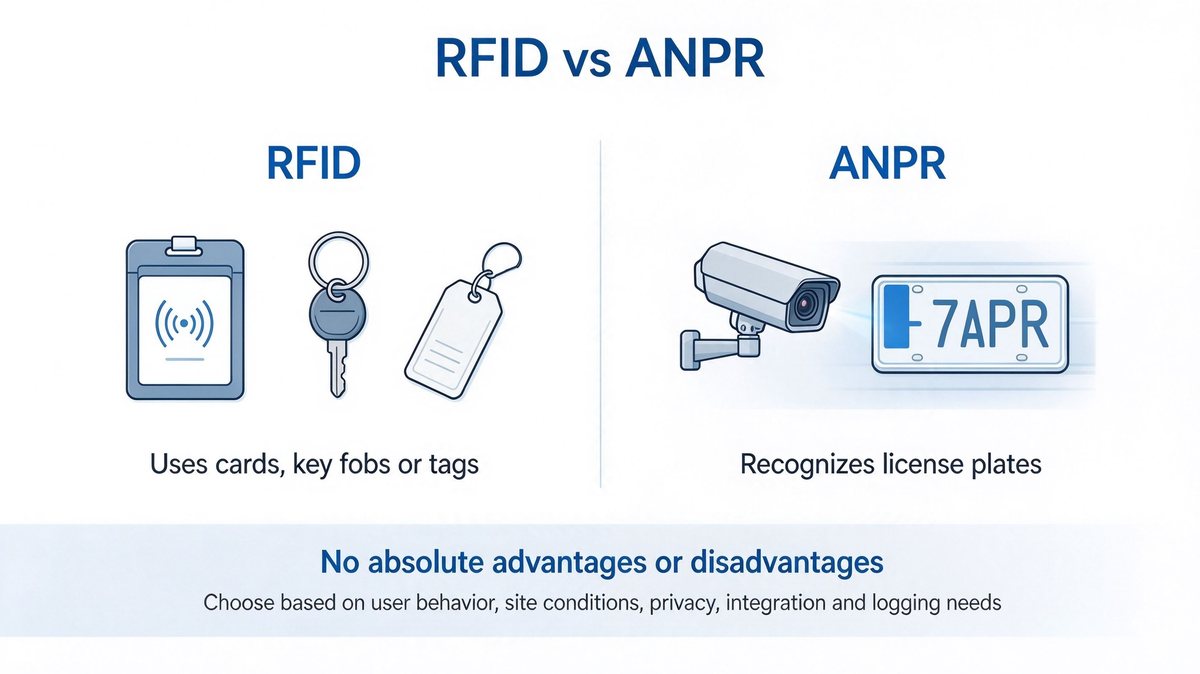
If the same residents or employees enter every day, RFID can offer a simple, predictable process. If management needs to check which plate entered, log visits by plate, or allow passage without handing out a card, ANPR/LPR can provide operational advantages. The decision should also consider how borrowed vehicles, temporary plates, visits, and vehicle changes will be handled.
In a condominium, a hybrid solution can be useful: RFID for residents and employees, and ANPR/LPR for visitors or for logging plates. This combination is not mandatory or always cost-effective; it is worth installing when both methods address real needs and the controller and software can integrate them in a proven way.
In a commercial parking lot, the choice depends on the operating model. RFID may be appropriate for subscribers, staff, or frequent customers. ANPR/LPR can make it easier to link the plate to entry time, length of stay, and charging rules when the parking platform supports these functions. For occasional visitors, it may also be necessary to integrate QR codes, tickets, intercoms, or staff validation.
Do not assume that an LPR camera calculates the rate by itself or that an RFID reader includes billing. Reading the credential or the plate is one part of the process; charging, validation, discounts, and reconciliation depend on the software and the integrations purchased. Ask the supplier for an end-to-end functional diagram before approving the purchase.
For RFID, request a breakdown of readers, cards or tags, controllers, wiring, software licenses, installation, and credential replacement. For ANPR/LPR, review the camera, mounts, supplementary lighting if needed, network, software, log storage, and configuration of the plate database. In both cases, include the vehicle barrier, safety sensors, commissioning, training, and maintenance.
The initial price alone does not show which option is more economical. Consider the number of users, how often permissions change, the cost of replacing credentials, auditing needs, incident handling, and peak-hour waiting time. Request quotes with the same scope so you can compare equivalent solutions.
RFID and ANPR/LPR require well-defined security controls. Limit who can register users or plates, protect administrative accounts, keep change logs, and remove access when it is no longer needed. In ANPR/LPR systems, determine what data is stored, for how long, who can consult it, and how requests related to vehicle information are handled. The implementation should be reviewed in line with the privacy and data protection obligations applicable in Mexico.
Avoid storing more information than necessary and confirm encryption, access control, backup, and system update options with the integrator. If access is connected to a corporate network or a cloud platform, review network permissions and the account management policy before enabling the service.
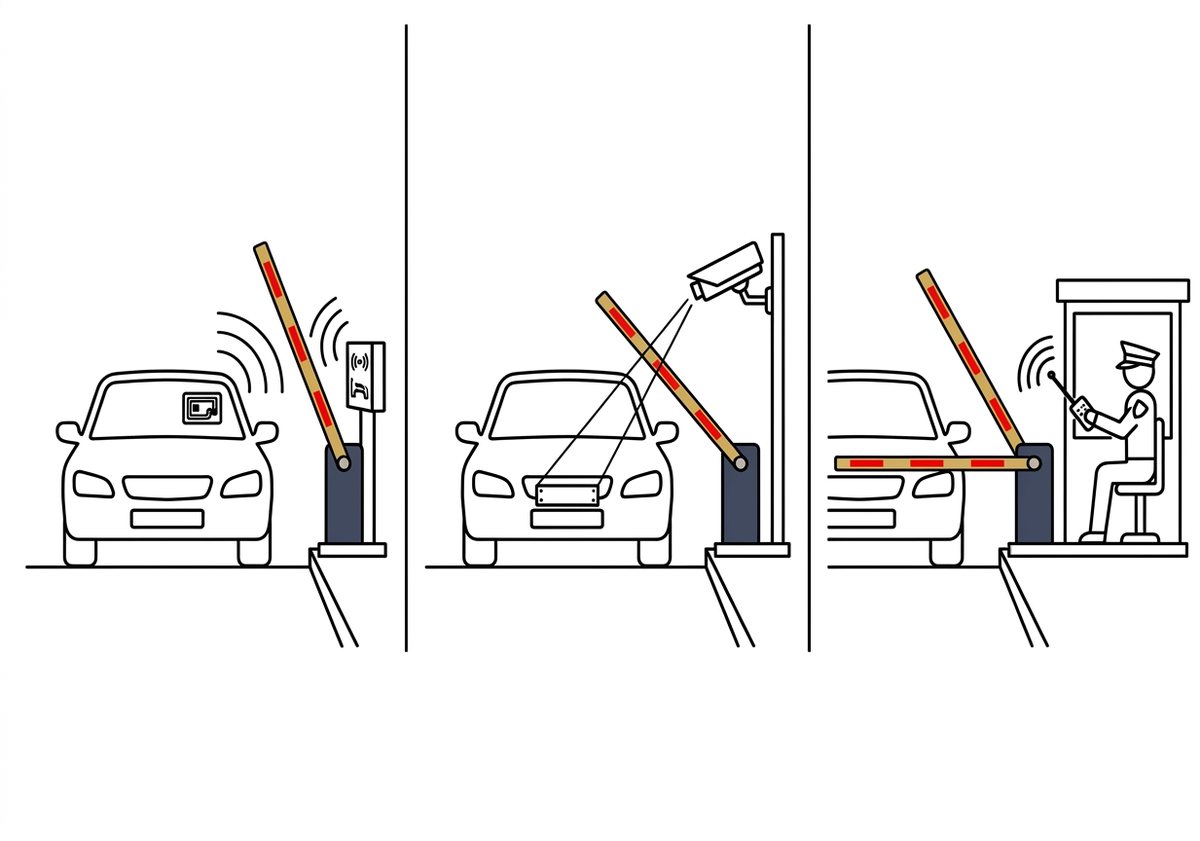
The identification method does not replace the barrier: RFID or ANPR/LPR determines whether a credential or plate meets the rules, while the controller executes the opening command. BAROXON offers vehicle barriers and integration options with RFID/UHF readers, ANPR/LPR cameras, and vehicle detectors. Specific compatibility must be confirmed for the model, signal type, available interfaces, and parking software.
A well-designed integration also covers safety sensors, vehicle presence detection, closing logic, signaling, and a manual operating procedure in case of failure. Before installation, the integrator should verify the wiring diagram, test opening and closing on site, and document how the system recovers after a power or network interruption.
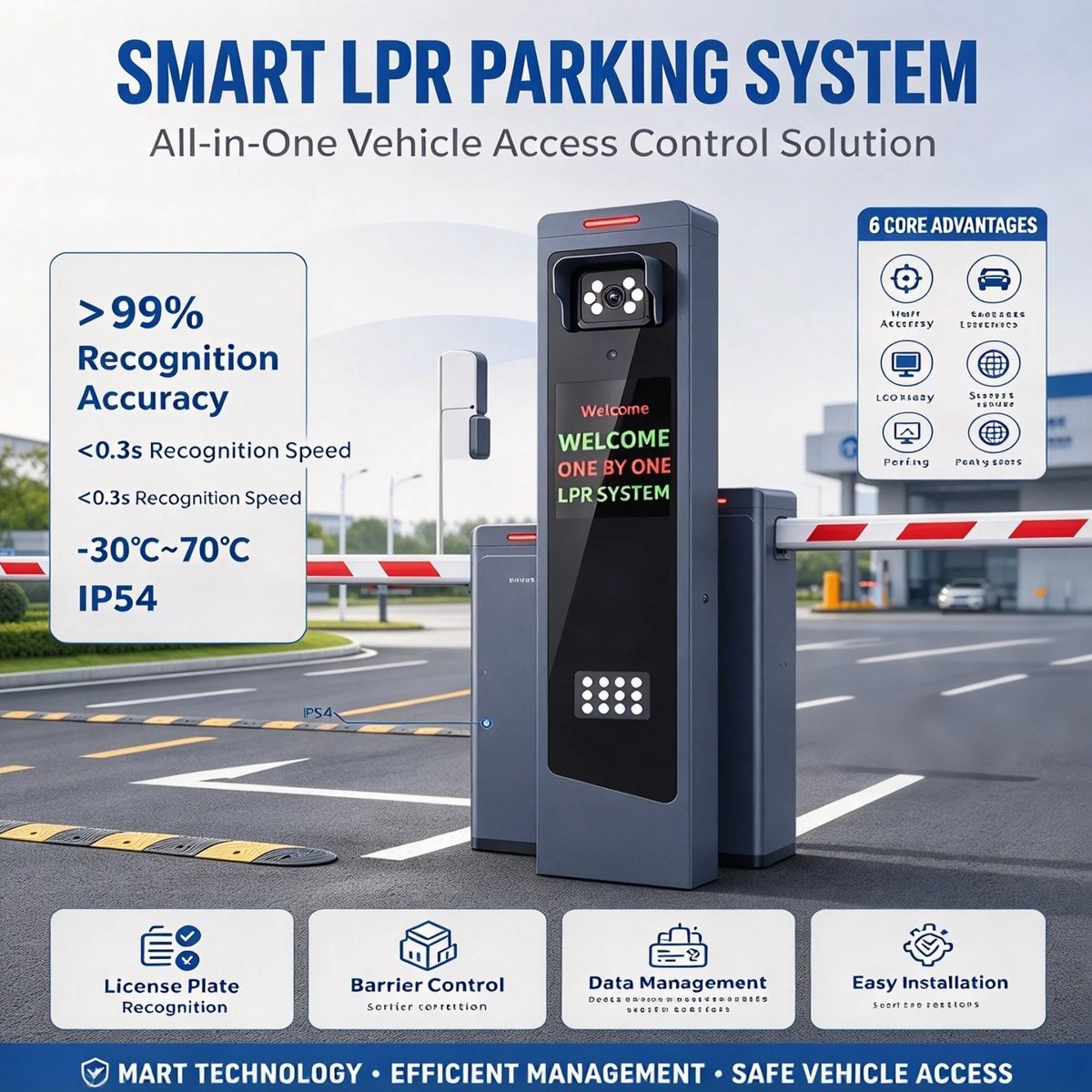
Yes, as long as the controller, interfaces, and software support the intended integration. One example is using RFID for residents and employees, and ANPR/LPR for visitors, supplier vehicles, or plate logging. A fallback policy can also be configured, but it must be defined carefully to prevent a second method from granting access without valid authorization.
Before combining both methods, determine which system will be the primary source of permissions, how lists will be synchronized, what happens when the network is unavailable, and how duplicate records or failed reads will be resolved. These operating rules should be tested with real scenarios, not just a laboratory demonstration.
Choose RFID if you have a relatively stable user population, want to manage credentials, and the operation can accept a card or tag. Evaluate ANPR/LPR if you need to identify vehicles by plate, log movements by plate, or make access easier for authorized vehicles without a physical card. Consider a hybrid system when there are user groups with clearly different needs and the budget allows for integration.
To choose precisely, document the lane width, peak-hour entry and exit volume, vehicle types, lighting conditions, how visitors are logged, privacy requirements, and the platform the property already uses. Share this information with BAROXON or your integrator to receive a proposal based on the specific configuration, not just the name of the technology.
RFID and ANPR/LPR are complementary technologies, not absolute rivals. RFID stands out when credentials are managed for recurring users; ANPR/LPR can simplify plate-based identification and movement logging, as long as capture conditions are adequate. The best decision for a parking lot in Mexico balances ease of use, on-site accuracy, total costs, privacy, security, and integration with the vehicle barrier.
There is no universal answer. Security depends on how credentials or plates are managed, the authorization rules, software protection, installation, and event monitoring. In both cases, lists and permissions must be kept up to date.
It can work at night if the camera, lighting, and configuration suit the site. Request a nighttime test with real plates and vehicles, and check how the system behaves with headlights, glare, and rain.
It depends on the architecture. Some local functions can operate on a local network without a continuous internet connection, while remote administration or cloud services may require connectivity. Confirm which functions remain available during a network outage.
BAROXON publishes integration options with RFID/UHF, ANPR/LPR, and vehicle detectors. Compatibility must be confirmed with the barrier model, controller interfaces, and project software before purchasing.
Share the property type, number of lanes, estimated hourly flow, required arm length, preferred identification method, lighting conditions, and existing software. Include photos of the entrance if available.
Are you comparing RFID and ANPR/LPR for your parking lot? Contact BAROXON México and share your entrance details. The team can help you review the vehicle barrier, reader, camera, and sensor options that best fit the project conditions, subject to technical confirmation for each model.


